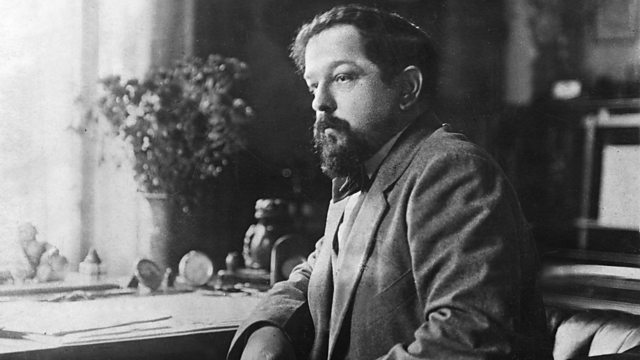
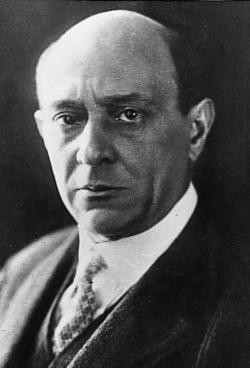
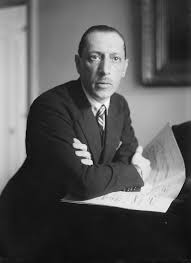
Debussy, Stravinsky and Schoenberg are revolutionized classical music by bringing their pieces into a different level. They are all different from each other, and each has something different and new to offer.
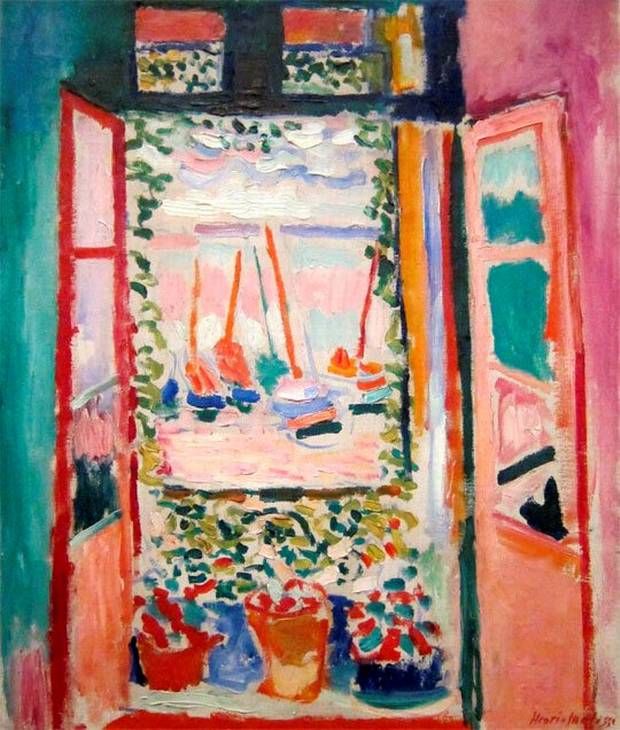
Debussy`s Jeux was written to a Ballet. The theme of the performance is an unfolding romance between three performers during a tennis game. The Ballet performance was unsuccessful, but the music survived and become one of the revolutionary pieces in the 20th Century music.
That title implies both the game of tennis and the game of love, and this is a very sensual score. Debussy called it a “poème dansé” and his “danced poem” moves from its eerie whole tone beginning to build up to the great waltz at the climax, then dissolves into an ending that seems to flicker out in front of us. (Dingle, 2016)
The composer uses a large orchestra with extreme subtlety. He incorporates exotic harmonies and unusual scales into his work. The score begins with a hesitate opening bars. It explores discontinuity with more than 60 changes of tempo and with its short thematic motifs. The music is predominantly scherzando mood.
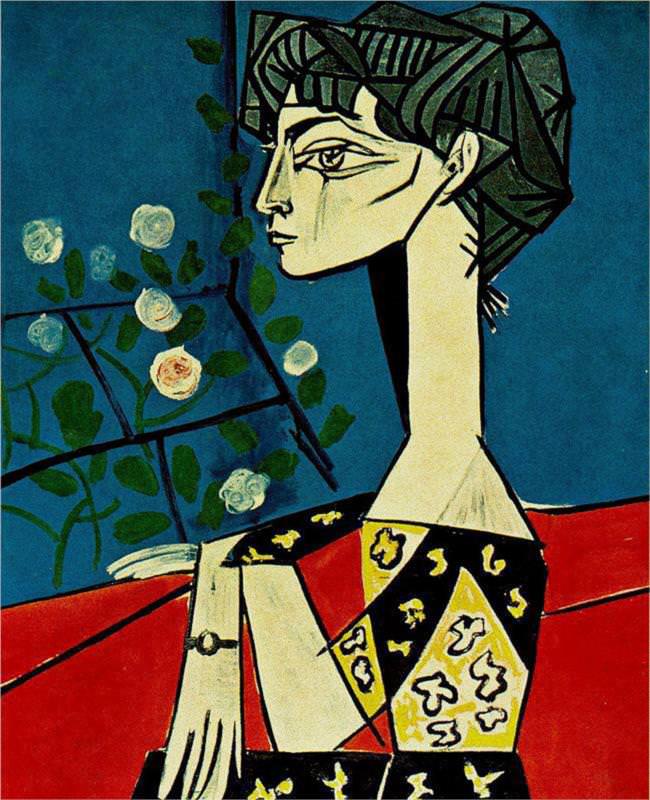
Stravinsky’s The Rite of Spring was premiered in the same year as Jeux and became more popular. This piece also written for a ballet. The premier was unsuccessful due to the ballet performance, but the music was well received. The composer uses a very large orchestra with some unusual instruments. “The orchestration is also heavy on brass and percussion and exotic instruments such as alto flute, bass clarinet, bass trumpet, antique cymbals”. (Mangan, 2013)
Stravinsky uses unusual harmonies, folk song quotations and vibrant rhythmic patterns. He frequently varying rhythms and unusual meters but different orchestral sections play contrary and contradictory rhythms which gives a sense of rhythmic cohesion between sections. He also accents unexpected places in measures, further destabilizing any consistent or expected ordinary rhythmic flow. The composer uses short, extremely simple melodic fragments that join with other fragments, creating more complex larger components.
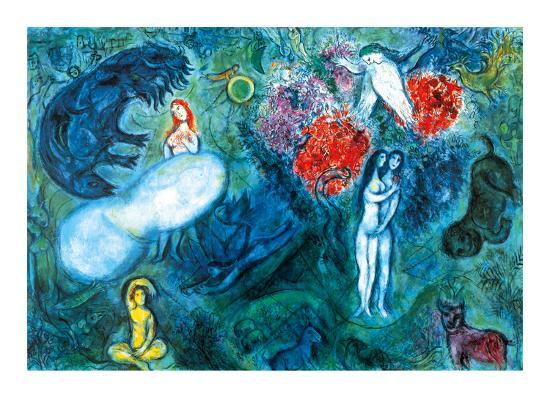
Schoenberg’s Pierrot Lunaire was written for three sets of seven poems by Albert Giraud and it scored for female voice and a small chamber ensemble. The vocal line is performed in a distinctive Sprechstimme style, which merges singing with speech. It is a style in which the vocalist uses the specified rhythms and pitches, but does not sustain the pitches, allowing them to drop or rise, in the manner of speech. (Winiarz, 2000)
Pierrot Lunaire uses a variety of classical forms and techniques, including canon, fugue, rondo, passacaglia and free counterpoint. The piece written to a small orchestra. The instrumental combinations (including doublings) vary between most movements. The entire ensemble plays together only in the 11th, 14th and final 4 settings. The composer uses seven note melodic motifs and different scoring of each movement which changes the overall sound of the ensemble.
The musical features in these works broke down the usual structure which resulted an innovative piece. There are differences between the three composers as each of them have their unique way to develop their music.
Debussy and Stravinsky both written to a large orchestra, except Stravinsky who using exotic instruments as well. Schoenberg is different as he uses a small orchestra with vocal.
All three composers are using unusual harmonies but the length of the motifs, the type of scales, changing tempo, varying rhythms and forms, and the unusual meters are different with each piece.
They also have different compositional styles which reflected by the use of the instruments and the musical elements. This create different atmosphere for each musical works.
References:
Dingle, C. (2016). The story of Debussy’s ‘Jeux’ | Classical-Music.com. [online] Classical-music.com. Available at: http://www.classical-music.com/article/story-debussy-s-jeux [Accessed 5 Jul. 2019]
Mangan, T. (2013). ‘Rite of Spring’: A rule-changing musical masterpiece – Orange County Register. [online] Ocregister.com. Available at: https://www.ocregister.com/2013/01/28/rite-of-spring-a-rule-changing-musical-masterpiece/ [Accessed 6 Jul. 2019]
Winiarz, J. (2000). Schoenberg – Pierrot Lunaire: an Atonal Landmark. [online] Scena.org. Available at: http://www.scena.org/lsm/sm5-7/schoenberg-en.htm [Accessed 6 Jul. 2019]
Rasmussen, K., 2008. Prefiguration: Gadamer, Matisse, and the Hermeneutic Circle. [image] Available at: <https://www.researchgate.net/publication/339474540_Prefiguration_Gadamer_Matisse_and_the_Hermeneutic_Circle/citation/download> [Accessed 31 August 2019]
Dutoit, C., 1989. Debussy – Jeux. Available at: <https://www.youtube.com/watch?v=OXSWFlwX9a4> [Accessed 31 August 2019]
Picasso, P., 1954. Jacqueline with flowers, 1954 by Picasso. [image] Available at: <https://www.pablopicasso.org/jacqueline-with-flowers.jsp> [Accessed 31 August 2019]
Rattle, S., 2017. Stravinsky The Rite of Spring // London Symphony Orchestra/Sir Simon Rattle. Available at: <https://www.youtube.com/watch?v=EkwqPJZe8ms> [Accessed 31 August 2019]
Chagall, M., 1961. Paradise. [image] Available at: <https://www.wikiart.org/en/marc-chagall/paradise-1961-8> [Accessed 31 August 2019]
Schönberg, A., 2012. Arnold Schönberg, Pierrot lunaire (Full). Available at: <https://www.youtube.com/watch?v=KsIATAaR-X0> [Accessed 31 August 2019]
 Aname
Aname 
One thought on “Impressionism, rhythm and pitch”