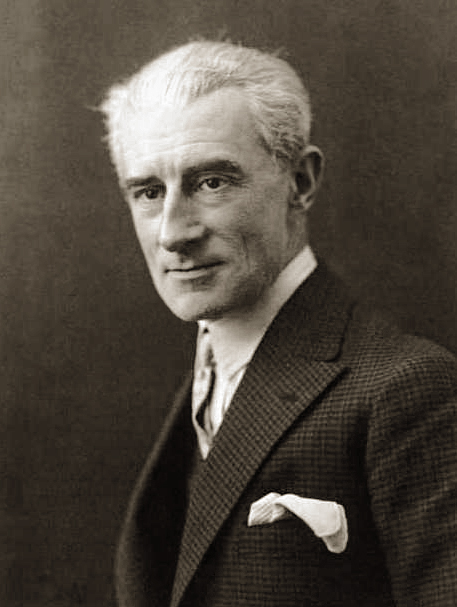
Personally, I like this piece. The demonstration of orchestra color and his bravery to use the same melody for 15 minutes is inspiring. The piece has repeating bass line, one repeating rhythm and two melodies that alternate. One melody is relatively simple. The second melody is having an exotic feel. There is further exoticism from the use of repeated notes and syncopation. Each time either melody is heard it is given to a new combination of instruments and the accompaniment around it grows thicker and louder. At a crucial point towards the end the whole piece is transposed up a third briefly before collapsing back down to C for an enormously exciting close. Keeping the melody constant helps to listen the tone colors and blends between instruments instead of being distracted by a new counter-melody or complex harmony. The rhythmic ostinato gives the piece its distinctive ‘Spanish’ feel and it also repeats constantly.
The use of an oboe d`amore for the 5th statement of the melody was very unusual as the instrument fell out of use after the Baroque era and it is still relatively uncommon today.
Another important section is the 9th statement where French horn, 2 piccolos and celesta combined to create the most unique and interesting tone colours. It also has a difficult trombone solo.
The music has a vaguely hypnotic quality that is quite powerful.
References
Your Bibliography: Schwarm, B. (2019). Boléro | work by Ravel. [online] Encyclopedia Britannica. Available at: https://www.britannica.com/topic/Bolero-by-Ravel [Accessed 10 Aug. 2019].
 Aname
Aname 